
The latest from the National Book Critics Circle, including links to our members’ latest reviews, awards info and all things NBCC related.
News & Notes
Announcements
September 28, 2026
Reviews and More From NBCC Members
By Michael Schaub
Friends, we hope you’re doing well! This past week, our members have been busy with reviews of books by authors including Camila Kerwin, Kate Atkinson, Ari Emanuel, Elvira Navarro, and... Read More
Members Only
To access member news, please login as a member or join the NBCC!
Critical Notes
-

September 14, 2026
Reviews and More From NBCC Members
By Michael Schaub
Members and friends, if you’re planning to attend the Brooklyn Book Festival later this month, we’d love to invite you to some special events! On Friday, Sept. 25, at 7... Read More
-
September 7, 2026
Reviews and More From NBCC Members
By Michael Schaub
Members and friends, we hope you’re having a great September! Our members have been busy this past week with reviews of books by authors including Chloe Benjamin, Adam Voith, Emma... Read More
-
August 24, 2026
Reviews and More From NBCC Members
By Michael Schaub
Members and friends, earlier this month, we sponsored a virtual event about literary podcasts as criticism, moderated by NBCC Fundraising & Grants Co-Chair Tobias Carroll and featuring panelists Leah Abrams... Read More
Criticism & Features
-
March 14, 2024
Members Of The National Book Critics Circle Board
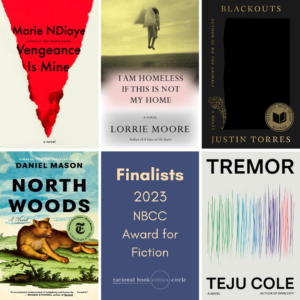
30 Books
30 Books in 30 Days: FictionEach year, our board members write citations of the finalists for the National Book Critics Circle Awards in a feature we call 30 Books in 30 Days. We’re honored to... Read More
-

March 11, 2024
Members Of The National Book Critics Circle Board
30 Books
30 Books in 30 Days: PoetryEach year, our board members write citations of the finalists for the National Book Critics Circle Awards in a feature we call 30 Books in 30 Days. We’re honored to... Read More
-
March 7, 2024
Members Of The National Book Critics Circle Board
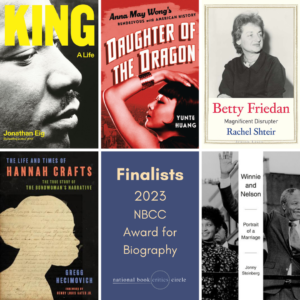
30 Books
30 Books in 30 Days: BiographyEach year, our board members write citations of the finalists for the National Book Critics Circle Awards in a feature we call 30 Books in 30 Days. We’re honored to... Read More
-
March 4, 2024
Members Of The National Book Critics Circle Board
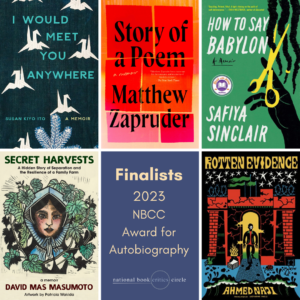
30 Books
30 Books in 30 Days: AutobiographyEach year, our board members write citations of the finalists for the National Book Critics Circle Awards in a feature we call 30 Books in 30 Days. We’re honored to... Read More